Coronavirus disease 2019
COVID-19 is a contagious disease caused by the coronavirus SARS-CoV-2. In January 2020, the disease spread worldwide, resulting in the COVID-19 pandemic. The symptoms of COVID‑19 can vary but often include fever,[7] fatigue, cough, breathing difficulties, loss of smell, and loss of taste.[8][9][10] Symptoms may begin one to fourteen days after exposure to the virus. At least a third of people who are infected do not develop noticeable symptoms.[11][12] Of those who develop symptoms noticeable enough to be classified as patients, most (81%) develop mild to moderate symptoms (up to mild pneumonia), while 14% develop severe symptoms (dyspnea, hypoxia, or more than 50% lung involvement on imaging), and 5% develop critical symptoms (respiratory failure, shock, or multiorgan dysfunction).[13] Older people have a higher risk of developing severe symptoms. Some complications result in death. Some people continue to experience a range of effects (long COVID) for months or years after infection, and damage to organs has been observed.[14] Multi-year studies on the long-term effects are ongoing.[15] COVID‑19 transmission occurs when infectious particles are breathed in or come into contact with the eyes, nose, or mouth. The risk is highest when people are in close proximity, but small airborne particles containing the virus can remain suspended in the air and travel over longer distances, particularly indoors. Transmission can also occur when people touch their eyes, nose, or mouth after touching surfaces or objects that have been contaminated by the virus. People remain contagious for up to 20 days and can spread the virus even if they do not develop symptoms.[16] Testing methods for COVID-19 to detect the virus’s nucleic acid include real-time reverse transcription polymerase chain reaction (RT‑PCR),[17][18] transcription-mediated amplification,[17][18][19] and reverse transcription loop-mediated isothermal amplification (RT‑LAMP)[17][18] from a nasopharyngeal swab.[20] Several COVID-19 vaccines have been approved and distributed in various countries, many of which have initiated mass vaccination campaigns. Other preventive measures include physical or social distancing, quarantining, ventilation of indoor spaces, use of face masks or coverings in public, covering coughs and sneezes, hand washing, and keeping unwashed hands away from the face. While drugs have been developed to inhibit the virus, the primary treatment is still symptomatic, managing the disease through supportive care, isolation, and experimental measures.
cw-check-https://test.com/
cw-check https://test.com
There’s no rush. There’s no comparison. There’s only the next step.
There’s no rush. There’s no comparison. There’s only the next step. And that step is yours to take, at your pace. At Forward Health Management, we exist to support this stage — the rebuilding stage — with compassion, structure, and care. Helping you become what you want to become. At Forward Health Management, we exist to support this stage — the rebuilding stage — with compassion, structure, and care. Helping you become what you want to become
Creating a Lifestyle That Fits Real Life

Creating a Lifestyle That Fits Real Life A sustainable fitness lifestyle works with your life, not against it. It should: Fit into your home and daily routine Adjust to your energy levels Allow rest without guilt Grow with you over time This isn’t about perfect weeks. It’s about showing up again and again, in ways that feel realistic and respectful. The Long View Fitness after surgery isn’t about quick wins. It’s about protecting what you’ve worked so hard for. It’s about building strength, confidence, and consistency that lasts — not just for months, but for years. Starting a fitness lifestyle is less about where you begin and more about how you continue.
After weight loss surgery, trust matters more than motivation.
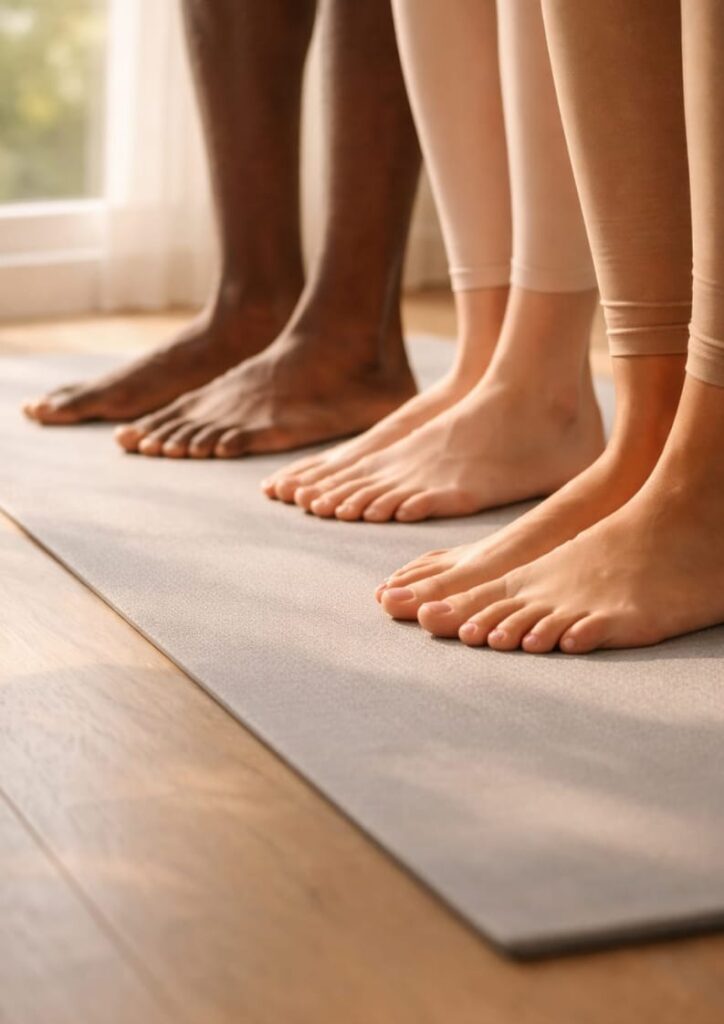
After weight loss surgery, trust matters more than motivation. Trust that: Your body is capable You don’t need to rush healing Progress looks different now — and that’s okay When movement feels safe, it becomes something you return to — not something you avoid. That’s when fitness stops feeling like a chore and starts feeling like support.
Instead, it’s about creating a sustainable relationship with movement

Instead, it’s about creating a sustainable relationship with movement — one that respects where your body is today while supporting where you’re going. After surgery, your body is healing, adapting, and relearning. Fitness should support that process, not compete with it. Why Starting Slow Is Starting Strong There’s a quiet strength in beginning gently. Slow movement allows you to: Reconnect with your body safely Learn proper movement patterns Build confidence without fear Create consistency without burnout Progress doesn’t come from doing more. It comes from doing what you can — consistently. A fitness lifestyle is built on repetition, not intensity. Movement Is About Trust
At Forward Health Management, we believe fitness after surgery isn’t about intensity

At Forward Health Management, we believe fitness after surgery isn’t about intensity, punishment, or rushing toward an ideal. It’s about rebuilding trust. Fitness Is a Lifestyle — Not a Phase A fitness lifestyle isn’t something you jump into overnight. It’s something you grow into. It’s not about: Extreme workouts All-or-nothing routines Chasing someone else’s pace
A calm, realistic approach to movement after weight loss surgery

Starting a fitness lifestyle after weight loss surgery can feel overwhelming — not because you don’t want to move, but because you’ve already been through so much. Surgery changes your body, but it also changes your relationship with it. Suddenly, the rules feel different. Movements that once felt familiar may feel foreign. Confidence can lag behind progress. And the pressure to “do it right” can make starting feel heavier than it needs to be.
Starting a Fitness Lifestyle
Starting a Fitness Lifestyle